【有你真好】影評
.
想想,為什麼我們對家人的態度總是比對朋友差?
.
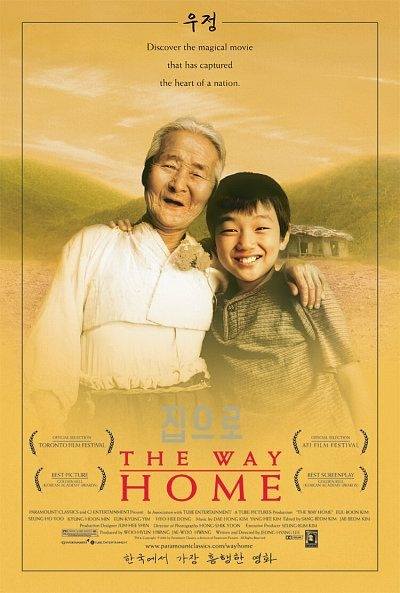
和大家推薦一部有超大洋蔥的片子,這是由韓國導演「李貞香」執導的作品《有你真好》。片中述說一個七歲的小男孩「山武」,七歲就被未婚媽媽送往鄉下給奶奶照顧,奶奶不會說話,勤儉樸實地過著生活。但是已經習慣在都市生活的「山武」,對素未謀面的奶奶感到厭惡,他對鄉野骯髒而不便利的生活更感到嫌惡,他處處和奶奶作對。究竟,面對調皮搗蛋的山武,奶奶是用甚麼方法去打動他的心呢?
.
有一次,山武的電動機沒電了,跟奶奶要錢買電池,但奶奶生活太過貧困了,沒有多餘的錢可用。山武一生氣,就把奶奶的花瓶打碎、把奶奶的鞋子藏起來讓奶奶赤腳走路;甚至,還偷了奶奶的簪子去城裡賣了要買電池,不料電池沒買成還迷了路,幸好被好心的爺爺送了回去。
.
還有一次,山武因為想吃速食店的炸雞,但是鄉村並沒有速食店,奶奶為了滿足孫子,變賣了自己的嫁妝,淋著雨翻山越嶺,提了一隻雞回來煮給山武吃。雞煮好了,奶奶開心的呼喚山武趕快來吃,山武看到桌上不是他愛吃的炸雞,大發脾氣將碗打翻,扭頭走了。奶奶只好默默撿起地上的食物吃了。為了滿足山武,奶奶幾乎傾出所有。寧願自己餓肚子也要讓山武能夠吃飽、在凜冽的寒風中陪他去上廁所,甚至將錢偷偷塞到了禮物中,讓山武去買他最想要的電玩電池。
.
這些日子以來,奶奶對山武無私的付出,山武其實都看在眼哩,也慢慢感動了他那稚嫩的心靈。幾個月過去了,山武的母親準備來接山武回去。離開的前一天晚上,山武教了奶奶寫字,上車前把卡片給了奶奶說:「奶奶如果想我了,就把這張卡片寄來給我吧!」卡片上寫著「我想你」。
.
其實,這是山武最想對奶奶說的話吧!
.
故事說到這兒,想想兒時的我們,或許也曾經和片中的山武一樣,有著許多的依賴和不懂事。真正的成長與感恩,都是需要靠自己親身去體會才能明白的,沒經歷過的,就算他人說再多也就像是吹過耳邊的風,風過了無痕哪。其實,和父母親一樣,長輩對孩子的愛,無私而廣大,沒有任何怨言,也不求回報。「愛」與「包容」是貫穿這部電影的核心價值。
.
這個故事是否給你些許啟發?
我們都是父母親的心頭肉,因為習慣擁有,所以遺忘了他們給予我們種種的好。請回頭看看他們疲倦的臉龐,佝僂的身影,他們是為誰,成了如今這般的模樣呢?
相信,只要用心去感受「愛」就在我們身邊!
每天,你都能感受到許多新的領悟!
.
探討問題
1.對於家人的關懷照顧你是懷抱著什麼心態?理所當然,還是覺得厭煩?
2.為什麼我們對家人的態度總是比對朋友差?
3.為什麼都要在歷經過苦難或失去後,才能學會感恩及珍惜?
.
—-?——?——?——?——-?———?——–?—–
?大家一起來參加聖誕拍照活動吧!
快來點這兒上傳照片? http://t.cn/EUxA91g
—–?——?——?——?——-?———?——–?—-
.
圖片來源:http://www.korseries.com/kormovies-the-way-home-2002/
#有你真好、#影評、#親情、#愛與感動
.
.【The Way Home】 Film review
Let’s think about it. Why is our attitude towards our family always worse than how we treat our friends?
I recommend a popular film directed by the Korean director Lee Jeong-hyang called .
In the film, San-woo, a seven-year-old boy, was sent to the countryside by his unmarried mother for his grandmother to take care of him. His grandmother was mute but not deaf and lives a simple and hardworking life, a life of diligence and simplicity. San-woo, who is used to living in the city, is disgusted with this grandmother whom he has yet to meet. He observes the dirty and unsophisticated way of life in the countryside and feels even more annoyed. Although he always argues with his grandmother, she does not ever raise her temper at him but instead uses her unconditional love to tolerate his misbehavior and acts of defiance. Love the is the core value of this film.
In the face of the mischievous San-woo, what method did his grandmother use to touch his heart?
Summary of the story:
San-woo is very fond of playing video games, eating potato chips and fried chicken. Going to the countryside where there is no electricity and little entertainment, he feels that he does not fit in. On one occasion, San Woo’s electrical motor ran out of power and he asked his grandmother to buy batteries. However, she was too poor and did not have extra money to afford them. As a result, San-Woo flew into a rage and broke his grandmother’s vase and hid her shoes, forcing her to walk barefooted. Even worse, he stole his grandmother’s precious hairpin and secretly went to the city to sell it for money which he used to buy his batteries. However, he became lost on his way back but thankfully a kind old man helped him find his way back.
On another occasion, San-woo had a craving for fried chicken sold at a fast food restaurant. However there were no fast food restaurants in the countryside.
To fulfill his wish, his grandmother sold her dowry and crossed the mountains in rainy weather just so to bring a chicken home for him to eat. After cooking the chicken, his grandmother happily called out for him to try her cooking. However, upon seeing that what she cooked wasn’t the fried chicken he wanted, he flew into a rage and broke a bowl, running away. Grandma had no choice but to pick up the pieces of chicken from the ground. Unknown to San-woo, Grandma did everything she could to satisfy his demands. She willingly starved herself so that San-woo would have enough food to eat, accompanied him to the toilet in frosty weather and even sneakily put money in San-woo’s present so that he could buy the batteries he wanted for his video games.
During this period, San-woo started becoming aware of the sacrifices that Grandma had made for him and slowly became touched by her actions. A few months later, San-woo’ s mother was ready to bring him back to the city . The night before he left, San-woo taught his grandmother how to write. Before getting on the bus, he gave his handwritten card to his grandmother and said, “If Grandma wishes to see me, send this card to me!” The words “I miss you” was written on the card.
In fact, this is what San-woo wishes to say to Grandma!
The learning point of the movie is that perhaps when we were younger and had actions and behavior similar to San-woo, we were highly dependent on our elders and were playful. Real growth and gratitude are derived from the experiences that we encounter as we grow up. While others may give advice, only by experiencing events yourself will you fully comprehend it. In fact, the love from our elders is as selfless and boundless as our parents and they do so without any complaints or rewards.
Does this story give you some inspiration?
We occupy very precious positions in our parents’ hearts. However, as because we become more adored and accustomed to their love and care, do we take for granted all their sacrifices and contributions? Please take a look at their tired faces – who was it that made them what they look like today?
I believe that as long as we spend time by their side, we will notice that love is everywhere.
This way, we will develop new insights everyday!
Discussion questions
1. What kind of mentality do you hold regarding your family’s care and concern? Or do you feel indifferent towards them?
2. Why are our attitudes towards our family always worse than to our friends?
3. Why do you learn to be grateful and cherish your family and friends only after suffering or losing them?
—-?——?——?——?——-?———?——–?—–
?Join in the Christmas Photo Event!
Click here to upload your photos ? http://t.cn/EUxA91g
—–?——?——?——?——-?———?——–?—–
Image source: http://www.korseries.com/kormovies-the-way-home-2002/
#TheWayHome #FilmReview #FamilyTies #ActsOfLovernrn【有你真好】影評
.
想想,為什麼我們對家人的態度總是比對朋友差?
.
和大家推薦一部有超大洋蔥的片子,這是由韓國導演「李貞香」執導的作品《有你真好》。片中述說一個七歲的小男孩「山武」,七歲就被未婚媽媽送往鄉下給奶奶照顧,奶奶不會說話,勤儉樸實地過著生活。但是已經習慣在都市生活的「山武」,對素未謀面的奶奶感到厭惡,他對鄉野骯髒而不便利的生活更感到嫌惡,他處處和奶奶作對。究竟,面對調皮搗蛋的山武,奶奶是用甚麼方法去打動他的心呢?
.
有一次,山武的電動機沒電了,跟奶奶要錢買電池,但奶奶生活太過貧困了,沒有多餘的錢可用。山武一生氣,就把奶奶的花瓶打碎、把奶奶的鞋子藏起來讓奶奶赤腳走路;甚至,還偷了奶奶的簪子去城裡賣了要買電池,不料電池沒買成還迷了路,幸好被好心的爺爺送了回去。
.
還有一次,山武因為想吃速食店的炸雞,但是鄉村並沒有速食店,奶奶為了滿足孫子,變賣了自己的嫁妝,淋著雨翻山越嶺,提了一隻雞回來煮給山武吃。雞煮好了,奶奶開心的呼喚山武趕快來吃,山武看到桌上不是他愛吃的炸雞,大發脾氣將碗打翻,扭頭走了。奶奶只好默默撿起地上的食物吃了。為了滿足山武,奶奶幾乎傾出所有。寧願自己餓肚子也要讓山武能夠吃飽、在凜冽的寒風中陪他去上廁所,甚至將錢偷偷塞到了禮物中,讓山武去買他最想要的電玩電池。
.
這些日子以來,奶奶對山武無私的付出,山武其實都看在眼哩,也慢慢感動了他那稚嫩的心靈。幾個月過去了,山武的母親準備來接山武回去。離開的前一天晚上,山武教了奶奶寫字,上車前把卡片給了奶奶說:「奶奶如果想我了,就把這張卡片寄來給我吧!」卡片上寫著「我想你」。
.
其實,這是山武最想對奶奶說的話吧!
.
故事說到這兒,想想兒時的我們,或許也曾經和片中的山武一樣,有著許多的依賴和不懂事。真正的成長與感恩,都是需要靠自己親身去體會才能明白的,沒經歷過的,就算他人說再多也就像是吹過耳邊的風,風過了無痕哪。其實,和父母親一樣,長輩對孩子的愛,無私而廣大,沒有任何怨言,也不求回報。「愛」與「包容」是貫穿這部電影的核心價值。
.
這個故事是否給你些許啟發?
我們都是父母親的心頭肉,因為習慣擁有,所以遺忘了他們給予我們種種的好。請回頭看看他們疲倦的臉龐,佝僂的身影,他們是為誰,成了如今這般的模樣呢?
相信,只要用心去感受「愛」就在我們身邊!
每天,你都能感受到許多新的領悟!
.
探討問題
1.對於家人的關懷照顧你是懷抱著什麼心態?理所當然,還是覺得厭煩?
2.為什麼我們對家人的態度總是比對朋友差?
3.為什麼都要在歷經過苦難或失去後,才能學會感恩及珍惜?
.
—-?——?——?——?——-?———?——–?—–
?大家一起來參加聖誕拍照活動吧!
快來點這兒上傳照片? http://t.cn/EUxA91g
—–?——?——?——?——-?———?——–?—-
.
圖片來源:http://www.korseries.com/kormovies-the-way-home-2002/
#有你真好、#影評、#親情、#愛與感動
.
.【The Way Home】 Film review
Let’s think about it. Why is our attitude towards our family always worse than how we treat our friends?
I recommend a popular film directed by the Korean director Lee Jeong-hyang called .
In the film, San-woo, a seven-year-old boy, was sent to the countryside by his unmarried mother for his grandmother to take care of him. His grandmother was mute but not deaf and lives a simple and hardworking life, a life of diligence and simplicity. San-woo, who is used to living in the city, is disgusted with this grandmother whom he has yet to meet. He observes the dirty and unsophisticated way of life in the countryside and feels even more annoyed. Although he always argues with his grandmother, she does not ever raise her temper at him but instead uses her unconditional love to tolerate his misbehavior and acts of defiance. Love the is the core value of this film.
In the face of the mischievous San-woo, what method did his grandmother use to touch his heart?
Summary of the story:
San-woo is very fond of playing video games, eating potato chips and fried chicken. Going to the countryside where there is no electricity and little entertainment, he feels that he does not fit in. On one occasion, San Woo’s electrical motor ran out of power and he asked his grandmother to buy batteries. However, she was too poor and did not have extra money to afford them. As a result, San-Woo flew into a rage and broke his grandmother’s vase and hid her shoes, forcing her to walk barefooted. Even worse, he stole his grandmother’s precious hairpin and secretly went to the city to sell it for money which he used to buy his batteries. However, he became lost on his way back but thankfully a kind old man helped him find his way back.
On another occasion, San-woo had a craving for fried chicken sold at a fast food restaurant. However there were no fast food restaurants in the countryside.
To fulfill his wish, his grandmother sold her dowry and crossed the mountains in rainy weather just so to bring a chicken home for him to eat. After cooking the chicken, his grandmother happily called out for him to try her cooking. However, upon seeing that what she cooked wasn’t the fried chicken he wanted, he flew into a rage and broke a bowl, running away. Grandma had no choice but to pick up the pieces of chicken from the ground. Unknown to San-woo, Grandma did everything she could to satisfy his demands. She willingly starved herself so that San-woo would have enough food to eat, accompanied him to the toilet in frosty weather and even sneakily put money in San-woo’s present so that he could buy the batteries he wanted for his video games.
During this period, San-woo started becoming aware of the sacrifices that Grandma had made for him and slowly became touched by her actions. A few months later, San-woo’ s mother was ready to bring him back to the city . The night before he left, San-woo taught his grandmother how to write. Before getting on the bus, he gave his handwritten card to his grandmother and said, “If Grandma wishes to see me, send this card to me!” The words “I miss you” was written on the card.
In fact, this is what San-woo wishes to say to Grandma!
The learning point of the movie is that perhaps when we were younger and had actions and behavior similar to San-woo, we were highly dependent on our elders and were playful. Real growth and gratitude are derived from the experiences that we encounter as we grow up. While others may give advice, only by experiencing events yourself will you fully comprehend it. In fact, the love from our elders is as selfless and boundless as our parents and they do so without any complaints or rewards.
Does this story give you some inspiration?
We occupy very precious positions in our parents’ hearts. However, as because we become more adored and accustomed to their love and care, do we take for granted all their sacrifices and contributions? Please take a look at their tired faces – who was it that made them what they look like today?
I believe that as long as we spend time by their side, we will notice that love is everywhere.
This way, we will develop new insights everyday!
Discussion questions
1. What kind of mentality do you hold regarding your family’s care and concern? Or do you feel indifferent towards them?
2. Why are our attitudes towards our family always worse than to our friends?
3. Why do you learn to be grateful and cherish your family and friends only after suffering or losing them?
—-?——?——?——?——-?———?——–?—–
?Join in the Christmas Photo Event!
Click here to upload your photos ? http://t.cn/EUxA91g
—–?——?——?——?——-?———?——–?—–
Image source: http://www.korseries.com/kormovies-the-way-home-2002/
#TheWayHome #FilmReview #FamilyTies #ActsOfLove
<img src="https://scontent.xx.fbcdn.net/v/t1.0-0/q81/s130x130/41294267_2241754032778410_4439194088801042432_n.jpg?_nc_cat=100&_nc_ht=scontent.xx&oh=1ec297ed1f5c45940466b0cd68f69342&oe=5C93094A" alt="【有你真好】影評
.
想想,為什麼我們對家人的態度總是比對朋友差?
.
和大家推薦一部有超大洋蔥的片子,這是由韓國導演「李貞香」執導的作品《有你真好》。片中述說一個七歲的小男孩「山武」,七歲就被未婚媽媽送往鄉下給奶奶照顧,奶奶不會說話,勤儉樸實地過著生活。但是已經習慣在都市生活的「山武」,對素未謀面的奶奶感到厭惡,他對鄉野骯髒而不便利的生活更感到嫌惡,他處處和奶奶作對。究竟,面對調皮搗蛋的山武,奶奶是用甚麼方法去打動他的心呢?
.
有一次,山武的電動機沒電了,跟奶奶要錢買電池,但奶奶生活太過貧困了,沒有多餘的錢可用。山武一生氣,就把奶奶的花瓶打碎、把奶奶的鞋子藏起來讓奶奶赤腳走路;甚至,還偷了奶奶的簪子去城裡賣了要買電池,不料電池沒買成還迷了路,幸好被好心的爺爺送了回去。
.
還有一次,山武因為想吃速食店的炸雞,但是鄉村並沒有速食店,奶奶為了滿足孫子,變賣了自己的嫁妝,淋著雨翻山越嶺,提了一隻雞回來煮給山武吃。雞煮好了,奶奶開心的呼喚山武趕快來吃,山武看到桌上不是他愛吃的炸雞,大發脾氣將碗打翻,扭頭走了。奶奶只好默默撿起地上的食物吃了。為了滿足山武,奶奶幾乎傾出所有。寧願自己餓肚子也要讓山武能夠吃飽、在凜冽的寒風中陪他去上廁所,甚至將錢偷偷塞到了禮物中,讓山武去買他最想要的電玩電池。
.
這些日子以來,奶奶對山武無私的付出,山武其實都看在眼哩,也慢慢感動了他那稚嫩的心靈。幾個月過去了,山武的母親準備來接山武回去。離開的前一天晚上,山武教了奶奶寫字,上車前把卡片給了奶奶說:「奶奶如果想我了,就把這張卡片寄來給我吧!」卡片上寫著「我想你」。
.
其實,這是山武最想對奶奶說的話吧!
.
故事說到這兒,想想兒時的我們,或許也曾經和片中的山武一樣,有著許多的依賴和不懂事。真正的成長與感恩,都是需要靠自己親身去體會才能明白的,沒經歷過的,就算他人說再多也就像是吹過耳邊的風,風過了無痕哪。其實,和父母親一樣,長輩對孩子的愛,無私而廣大,沒有任何怨言,也不求回報。「愛」與「包容」是貫穿這部電影的核心價值。
.
這個故事是否給你些許啟發?
我們都是父母親的心頭肉,因為習慣擁有,所以遺忘了他們給予我們種種的好。請回頭看看他們疲倦的臉龐,佝僂的身影,他們是為誰,成了如今這般的模樣呢?
相信,只要用心去感受「愛」就在我們身邊!
每天,你都能感受到許多新的領悟!
.
探討問題
1.對於家人的關懷照顧你是懷抱著什麼心態?理所當然,還是覺得厭煩?
2.為什麼我們對家人的態度總是比對朋友差?
3.為什麼都要在歷經過苦難或失去後,才能學會感恩及珍惜?
.
—-?——?——?——?——-?———?——–?—–
?大家一起來參加聖誕拍照活動吧!
快來點這兒上傳照片? http://t.cn/EUxA91g
—–?——?——?——?——-?———?——–?—-
.
圖片來源:http://www.korseries.com/kormovies-the-way-home-2002/
#有你真好、#影評、#親情、#愛與感動
.
.【The Way Home】 Film review
Let's think about it. Why is our attitude towards our family always worse than how we treat our friends?
I recommend a popular film directed by the Korean director Lee Jeong-hyang called .
In the film, San-woo, a seven-year-old boy, was sent to the countryside by his unmarried mother for his grandmother to take care of him. His grandmother was mute but not deaf and lives a simple and hardworking life, a life of diligence and simplicity. San-woo, who is used to living in the city, is disgusted with this grandmother whom he has yet to meet. He observes the dirty and unsophisticated way of life in the countryside and feels even more annoyed. Although he always argues with his grandmother, she does not ever raise her temper at him but instead uses her unconditional love to tolerate his misbehavior and acts of defiance. Love the is the core value of this film.
In the face of the mischievous San-woo, what method did his grandmother use to touch his heart?
Summary of the story:
San-woo is very fond of playing video games, eating potato chips and fried chicken. Going to the countryside where there is no electricity and little entertainment, he feels that he does not fit in. On one occasion, San Woo’s electrical motor ran out of power and he asked his grandmother to buy batteries. However, she was too poor and did not have extra money to afford them. As a result, San-Woo flew into a rage and broke his grandmother’s vase and hid her shoes, forcing her to walk barefooted. Even worse, he stole his grandmother’s precious hairpin and secretly went to the city to sell it for money which he used to buy his batteries. However, he became lost on his way back but thankfully a kind old man helped him find his way back.
On another occasion, San-woo had a craving for fried chicken sold at a fast food restaurant. However there were no fast food restaurants in the countryside.
To fulfill his wish, his grandmother sold her dowry and crossed the mountains in rainy weather just so to bring a chicken home for him to eat. After cooking the chicken, his grandmother happily called out for him to try her cooking. However, upon seeing that what she cooked wasn’t the fried chicken he wanted, he flew into a rage and broke a bowl, running away. Grandma had no choice but to pick up the pieces of chicken from the ground. Unknown to San-woo, Grandma did everything she could to satisfy his demands. She willingly starved herself so that San-woo would have enough food to eat, accompanied him to the toilet in frosty weather and even sneakily put money in San-woo’s present so that he could buy the batteries he wanted for his video games.
During this period, San-woo started becoming aware of the sacrifices that Grandma had made for him and slowly became touched by her actions. A few months later, San-woo’ s mother was ready to bring him back to the city . The night before he left, San-woo taught his grandmother how to write. Before getting on the bus, he gave his handwritten card to his grandmother and said, “If Grandma wishes to see me, send this card to me!” The words “I miss you” was written on the card.
In fact, this is what San-woo wishes to say to Grandma!
The learning point of the movie is that perhaps when we were younger and had actions and behavior similar to San-woo, we were highly dependent on our elders and were playful. Real growth and gratitude are derived from the experiences that we encounter as we grow up. While others may give advice, only by experiencing events yourself will you fully comprehend it. In fact, the love from our elders is as selfless and boundless as our parents and they do so without any complaints or rewards.
Does this story give you some inspiration?
We occupy very precious positions in our parents’ hearts. However, as because we become more adored and accustomed to their love and care, do we take for granted all their sacrifices and contributions? Please take a look at their tired faces – who was it that made them what they look like today?
I believe that as long as we spend time by their side, we will notice that love is everywhere.
This way, we will develop new insights everyday!
Discussion questions
1. What kind of mentality do you hold regarding your family’s care and concern? Or do you feel indifferent towards them?
2. Why are our attitudes towards our family always worse than to our friends?
3. Why do you learn to be grateful and cherish your family and friends only after suffering or losing them?
—-?——?——?——?——-?———?——–?—–
?Join in the Christmas Photo Event!
Click here to upload your photos ? http://t.cn/EUxA91g
—–?——?——?——?——-?———?——–?—–
Image source: http://www.korseries.com/kormovies-the-way-home-2002/
#TheWayHome #FilmReview #FamilyTies #ActsOfLovernrn【有你真好】影評
.
想想,為什麼我們對家人的態度總是比對朋友差?
.
和大家推薦一部有超大洋蔥的片子,這是由韓國導演「李貞香」執導的作品《有你真好》。片中述說一個七歲的小男孩「山武」,七歲就被未婚媽媽送往鄉下給奶奶照顧,奶奶不會說話,勤儉樸實地過著生活。但是已經習慣在都市生活的「山武」,對素未謀面的奶奶感到厭惡,他對鄉野骯髒而不便利的生活更感到嫌惡,他處處和奶奶作對。究竟,面對調皮搗蛋的山武,奶奶是用甚麼方法去打動他的心呢?
.
有一次,山武的電動機沒電了,跟奶奶要錢買電池,但奶奶生活太過貧困了,沒有多餘的錢可用。山武一生氣,就把奶奶的花瓶打碎、把奶奶的鞋子藏起來讓奶奶赤腳走路;甚至,還偷了奶奶的簪子去城裡賣了要買電池,不料電池沒買成還迷了路,幸好被好心的爺爺送了回去。
.
還有一次,山武因為想吃速食店的炸雞,但是鄉村並沒有速食店,奶奶為了滿足孫子,變賣了自己的嫁妝,淋著雨翻山越嶺,提了一隻雞回來煮給山武吃。雞煮好了,奶奶開心的呼喚山武趕快來吃,山武看到桌上不是他愛吃的炸雞,大發脾氣將碗打翻,扭頭走了。奶奶只好默默撿起地上的食物吃了。為了滿足山武,奶奶幾乎傾出所有。寧願自己餓肚子也要讓山武能夠吃飽、在凜冽的寒風中陪他去上廁所,甚至將錢偷偷塞到了禮物中,讓山武去買他最想要的電玩電池。
.
這些日子以來,奶奶對山武無私的付出,山武其實都看在眼哩,也慢慢感動了他那稚嫩的心靈。幾個月過去了,山武的母親準備來接山武回去。離開的前一天晚上,山武教了奶奶寫字,上車前把卡片給了奶奶說:「奶奶如果想我了,就把這張卡片寄來給我吧!」卡片上寫著「我想你」。
.
其實,這是山武最想對奶奶說的話吧!
.
故事說到這兒,想想兒時的我們,或許也曾經和片中的山武一樣,有著許多的依賴和不懂事。真正的成長與感恩,都是需要靠自己親身去體會才能明白的,沒經歷過的,就算他人說再多也就像是吹過耳邊的風,風過了無痕哪。其實,和父母親一樣,長輩對孩子的愛,無私而廣大,沒有任何怨言,也不求回報。「愛」與「包容」是貫穿這部電影的核心價值。
.
這個故事是否給你些許啟發?
我們都是父母親的心頭肉,因為習慣擁有,所以遺忘了他們給予我們種種的好。請回頭看看他們疲倦的臉龐,佝僂的身影,他們是為誰,成了如今這般的模樣呢?
相信,只要用心去感受「愛」就在我們身邊!
每天,你都能感受到許多新的領悟!
.
探討問題
1.對於家人的關懷照顧你是懷抱著什麼心態?理所當然,還是覺得厭煩?
2.為什麼我們對家人的態度總是比對朋友差?
3.為什麼都要在歷經過苦難或失去後,才能學會感恩及珍惜?
.
—-?——?——?——?——-?———?——–?—–
?大家一起來參加聖誕拍照活動吧!
快來點這兒上傳照片? http://t.cn/EUxA91g
—–?——?——?——?——-?———?——–?—-
.
圖片來源:http://www.korseries.com/kormovies-the-way-home-2002/
#有你真好、#影評、#親情、#愛與感動
.
.【The Way Home】 Film review
Let’s think about it. Why is our attitude towards our family always worse than how we treat our friends?
I recommend a popular film directed by the Korean director Lee Jeong-hyang called .
In the film, San-woo, a seven-year-old boy, was sent to the countryside by his unmarried mother for his grandmother to take care of him. His grandmother was mute but not deaf and lives a simple and hardworking life, a life of diligence and simplicity. San-woo, who is used to living in the city, is disgusted with this grandmother whom he has yet to meet. He observes the dirty and unsophisticated way of life in the countryside and feels even more annoyed. Although he always argues with his grandmother, she does not ever raise her temper at him but instead uses her unconditional love to tolerate his misbehavior and acts of defiance. Love the is the core value of this film.
In the face of the mischievous San-woo, what method did his grandmother use to touch his heart?
Summary of the story:
San-woo is very fond of playing video games, eating potato chips and fried chicken. Going to the countryside where there is no electricity and little entertainment, he feels that he does not fit in. On one occasion, San Woo’s electrical motor ran out of power and he asked his grandmother to buy batteries. However, she was too poor and did not have extra money to afford them. As a result, San-Woo flew into a rage and broke his grandmother’s vase and hid her shoes, forcing her to walk barefooted. Even worse, he stole his grandmother’s precious hairpin and secretly went to the city to sell it for money which he used to buy his batteries. However, he became lost on his way back but thankfully a kind old man helped him find his way back.
On another occasion, San-woo had a craving for fried chicken sold at a fast food restaurant. However there were no fast food restaurants in the countryside.
To fulfill his wish, his grandmother sold her dowry and crossed the mountains in rainy weather just so to bring a chicken home for him to eat. After cooking the chicken, his grandmother happily called out for him to try her cooking. However, upon seeing that what she cooked wasn’t the fried chicken he wanted, he flew into a rage and broke a bowl, running away. Grandma had no choice but to pick up the pieces of chicken from the ground. Unknown to San-woo, Grandma did everything she could to satisfy his demands. She willingly starved herself so that San-woo would have enough food to eat, accompanied him to the toilet in frosty weather and even sneakily put money in San-woo’s present so that he could buy the batteries he wanted for his video games.
During this period, San-woo started becoming aware of the sacrifices that Grandma had made for him and slowly became touched by her actions. A few months later, San-woo’ s mother was ready to bring him back to the city . The night before he left, San-woo taught his grandmother how to write. Before getting on the bus, he gave his handwritten card to his grandmother and said, “If Grandma wishes to see me, send this card to me!” The words “I miss you” was written on the card.
In fact, this is what San-woo wishes to say to Grandma!
The learning point of the movie is that perhaps when we were younger and had actions and behavior similar to San-woo, we were highly dependent on our elders and were playful. Real growth and gratitude are derived from the experiences that we encounter as we grow up. While others may give advice, only by experiencing events yourself will you fully comprehend it. In fact, the love from our elders is as selfless and boundless as our parents and they do so without any complaints or rewards.
Does this story give you some inspiration?
We occupy very precious positions in our parents’ hearts. However, as because we become more adored and accustomed to their love and care, do we take for granted all their sacrifices and contributions? Please take a look at their tired faces – who was it that made them what they look like today?
I believe that as long as we spend time by their side, we will notice that love is everywhere.
This way, we will develop new insights everyday!
Discussion questions
1. What kind of mentality do you hold regarding your family’s care and concern? Or do you feel indifferent towards them?
2. Why are our attitudes towards our family always worse than to our friends?
3. Why do you learn to be grateful and cherish your family and friends only after suffering or losing them?
—-?——?——?——?——-?———?——–?—–
?Join in the Christmas Photo Event!
Click here to upload your photos ? http://t.cn/EUxA91g
—–?——?——?——?——-?———?——–?—–
Image source: http://www.korseries.com/kormovies-the-way-home-2002/
#TheWayHome #FilmReview #FamilyTies #ActsOfLove” />
https://www.facebook.com/1656157281338091_2241754029445077