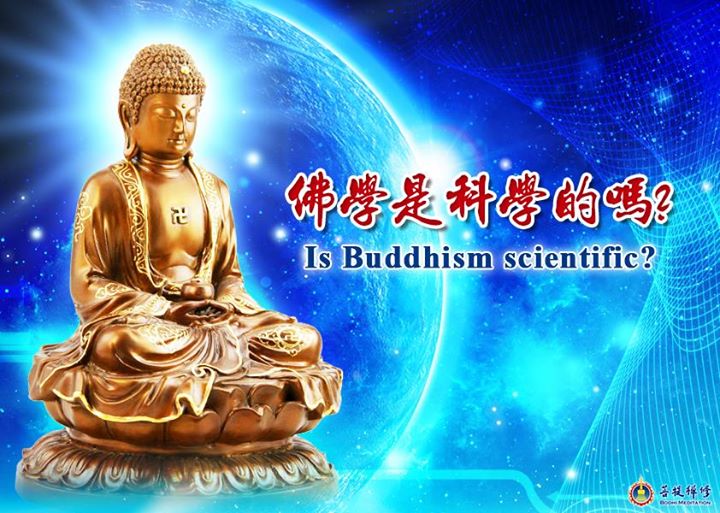
佛學是科學的嗎?
.
2013年以來,心理學界的一個思想逐漸成為主流,是說人在進化中大腦產生了至少七種思想模組 ——
1 保護自我;
2 吸引配偶,以產生後代,延續基因;
3 保住配偶,不被他人搶走;
4 爭取群體認同感,希望加入組織,獲得社交和團隊合作;
5 關愛親屬,保護自己的家人;
6 獲得社會地位;
7 避免疾病,我們會遠離不乾淨的東西,喜歡舒適的環境。
.
這個理論認為,這些思想模組互相爭奪人的大腦控制,所以人們經常會有多種想法,而且會時不時冒出各種稀奇古怪的主意。
.
這個理論認為,思想模組佔據大腦的方法是感情,感情最強烈的模組就會主導人的決定。所謂的理性只是給感情提供了信息和輔助,最終的決定仍然是某個思想模組輸出的感情。
.
這個理論認為,所以從這個角度理解,人的決定只是被這些思想模組推動的,人的意志只是後來給這個決定找的藉口而已。甚至有學者悲觀的認為,人是沒有自由意志的。
.
但是,一個重要的發現改變了這個悲觀的想法。
.
一個同時禪修和研究心理學的學者在2017年著書說,他發現可以通過禪修,觀察,接受和分析這些感情,不受各種思想模組的困擾,乃至專注於這件事,取得對事情的洞見,做出自由的決定,來掌握自己的自由意志。
.
這個學者就是普林斯頓大學的進化心理學教授羅伯特·賴特 (Robert Wright),這本書是紐約時報暢銷書《佛學是真的》(Why Buddhism is True)。
.
這本書中,作者通過最新的神經科學,心理學等研究成果,結合自己禪修的經驗,以及其他修行人的體悟,和對西方佛學的理解,試圖解讀佛學的一些基本理念,包括苦,無我,五蘊皆空,正念,因緣,涅槃等。
.
不論作者對佛學的解讀是否正確,有越來越多的科學家來認識和研究佛學,我覺得是很好的事情。
.
佛學本身是博大精深的,是對外了解自然規律和對內認識自我的大學問,所以相信會有更多的科學家認識和發現其中的奧妙。
.
所以,你說佛學是不是很科學呢?
.
#佛學是真的, #佛學是科學的, #自由意志, #思想模組, #心理學,#佛學
Is Buddhism scientific?
Since 2013, a thesis gradually became mainstream in the psychology world : that the brains of humans subconsciously have been known to produce at least seven ‘thought’ modules/ functions:
1. trigger self-protection mechanism;
2. attract spouses so as to produce offsprings and sustain the genes;
3. retain the spouse so that he/ she would not be taken by others;
4. strive to achieve team acceptance, with the aim to join the team to access the society and take part in team collaboration;
5. care for relatives and protect their families;
6. attain social status;
7. avoid diseases, stay away from unclean factors, in favor of a comfortable environment.
The theory is that these thought modules compete with one another to assert control over the human brain. Thus, humans often derive a variety of ideas, and from time to time come up with all kinds of bizarre ideas.
The theory proposes that the way the thought module ‘manipulates’ the brain is through emotion, and the module with the strongest feelings will dominate the person’s decision.
The so-called ‘logical reason’ only serves to provide information to substantiate the feelings that form the crux of the final decision in the thought module.
This theory thus concludes from this perspective that peoples’ decisions are only driven by these thought modules. Human will only enters subsequent to the decision so as to find an excuse. There are even pessimistic academics that propose that people do not have free will (in their decisions).
However, an important discovery has changed this pessimistic thought.
A scholar of both meditation and psychology wrote in 2017 that he found that he could regain control of his free will by meditating, observing, accepting and analyzing these feelings, and not be perturbed by these varying thought modules. He could even focus on the issue at hand, gain fundamental insights and make independent decisions based on his free will.
This scholar is Robert Wright, a professor of Evolutionary Psychology at the Princeton University, who authored the New York Times bestseller, ‘Why Buddhism is True’.
In this book, the author consolidated the latest research findings in neuroscience, psychology and other fields with his and other practitioners’ meditative practices, the understanding of Western Buddhism, and tried to interpret some of the basic tenets of Buddhism, including suffering, non-self, emptiness of the Five Aggregates, right mindfulness, cause-and-effect, nirvana and so on.
Without regard to the author’s interpretation of Buddhism, more and more scientists are gaining awareness of and studying Buddhism, which I feel is a good thing.
Buddhist studies in itself is extensive and profound. It evaluates both the understanding of the external laws of nature as well as the understanding of oneself. Thus, I believe that more scientists will seek to explore and discover its splendor.
So, would you not agree that Buddhism is very scientific?
#BuddhismIsTrue, #BuddhismIsScience, #BuddhismIsScientific, #FreeWill, #ThoughtModule, #Psychology, #BuddhistStudiesrnrn佛學是科學的嗎?
.
2013年以來,心理學界的一個思想逐漸成為主流,是說人在進化中大腦產生了至少七種思想模組 ——
1 保護自我;
2 吸引配偶,以產生後代,延續基因;
3 保住配偶,不被他人搶走;
4 爭取群體認同感,希望加入組織,獲得社交和團隊合作;
5 關愛親屬,保護自己的家人;
6 獲得社會地位;
7 避免疾病,我們會遠離不乾淨的東西,喜歡舒適的環境。
.
這個理論認為,這些思想模組互相爭奪人的大腦控制,所以人們經常會有多種想法,而且會時不時冒出各種稀奇古怪的主意。
.
這個理論認為,思想模組佔據大腦的方法是感情,感情最強烈的模組就會主導人的決定。所謂的理性只是給感情提供了信息和輔助,最終的決定仍然是某個思想模組輸出的感情。
.
這個理論認為,所以從這個角度理解,人的決定只是被這些思想模組推動的,人的意志只是後來給這個決定找的藉口而已。甚至有學者悲觀的認為,人是沒有自由意志的。
.
但是,一個重要的發現改變了這個悲觀的想法。
.
一個同時禪修和研究心理學的學者在2017年著書說,他發現可以通過禪修,觀察,接受和分析這些感情,不受各種思想模組的困擾,乃至專注於這件事,取得對事情的洞見,做出自由的決定,來掌握自己的自由意志。
.
這個學者就是普林斯頓大學的進化心理學教授羅伯特·賴特 (Robert Wright),這本書是紐約時報暢銷書《佛學是真的》(Why Buddhism is True)。
.
這本書中,作者通過最新的神經科學,心理學等研究成果,結合自己禪修的經驗,以及其他修行人的體悟,和對西方佛學的理解,試圖解讀佛學的一些基本理念,包括苦,無我,五蘊皆空,正念,因緣,涅槃等。
.
不論作者對佛學的解讀是否正確,有越來越多的科學家來認識和研究佛學,我覺得是很好的事情。
.
佛學本身是博大精深的,是對外了解自然規律和對內認識自我的大學問,所以相信會有更多的科學家認識和發現其中的奧妙。
.
所以,你說佛學是不是很科學呢?
.
#佛學是真的, #佛學是科學的, #自由意志, #思想模組, #心理學,#佛學
Is Buddhism scientific?
Since 2013, a thesis gradually became mainstream in the psychology world : that the brains of humans subconsciously have been known to produce at least seven ‘thought’ modules/ functions:
1. trigger self-protection mechanism;
2. attract spouses so as to produce offsprings and sustain the genes;
3. retain the spouse so that he/ she would not be taken by others;
4. strive to achieve team acceptance, with the aim to join the team to access the society and take part in team collaboration;
5. care for relatives and protect their families;
6. attain social status;
7. avoid diseases, stay away from unclean factors, in favor of a comfortable environment.
The theory is that these thought modules compete with one another to assert control over the human brain. Thus, humans often derive a variety of ideas, and from time to time come up with all kinds of bizarre ideas.
The theory proposes that the way the thought module ‘manipulates’ the brain is through emotion, and the module with the strongest feelings will dominate the person’s decision.
The so-called ‘logical reason’ only serves to provide information to substantiate the feelings that form the crux of the final decision in the thought module.
This theory thus concludes from this perspective that peoples’ decisions are only driven by these thought modules. Human will only enters subsequent to the decision so as to find an excuse. There are even pessimistic academics that propose that people do not have free will (in their decisions).
However, an important discovery has changed this pessimistic thought.
A scholar of both meditation and psychology wrote in 2017 that he found that he could regain control of his free will by meditating, observing, accepting and analyzing these feelings, and not be perturbed by these varying thought modules. He could even focus on the issue at hand, gain fundamental insights and make independent decisions based on his free will.
This scholar is Robert Wright, a professor of Evolutionary Psychology at the Princeton University, who authored the New York Times bestseller, ‘Why Buddhism is True’.
In this book, the author consolidated the latest research findings in neuroscience, psychology and other fields with his and other practitioners’ meditative practices, the understanding of Western Buddhism, and tried to interpret some of the basic tenets of Buddhism, including suffering, non-self, emptiness of the Five Aggregates, right mindfulness, cause-and-effect, nirvana and so on.
Without regard to the author’s interpretation of Buddhism, more and more scientists are gaining awareness of and studying Buddhism, which I feel is a good thing.
Buddhist studies in itself is extensive and profound. It evaluates both the understanding of the external laws of nature as well as the understanding of oneself. Thus, I believe that more scientists will seek to explore and discover its splendor.
So, would you not agree that Buddhism is very scientific?
#BuddhismIsTrue, #BuddhismIsScience, #BuddhismIsScientific, #FreeWill, #ThoughtModule, #Psychology, #BuddhistStudies
https://www.facebook.com/1656157281338091_2367906976829781




![【春季養生好元氣】大棗銀耳湯
───膠質滿滿,喝完皮膚水嫩光滑!
.
她記憶中最溫暖的一道甜湯....
有個同修用一臉幸福的表情,和我分享:「小時候每當生病的時候,母親就會用她最溫暖的一雙手,遞來一碗熱騰騰、香噴噴的甜湯讓我快快喝下,說喝完湯病就會飛走啦!」
.
我自己也曾親手熬煮,喝起來渾身暖呼呼的,感覺真的很不錯。 也分享這份幸福給大家。
.
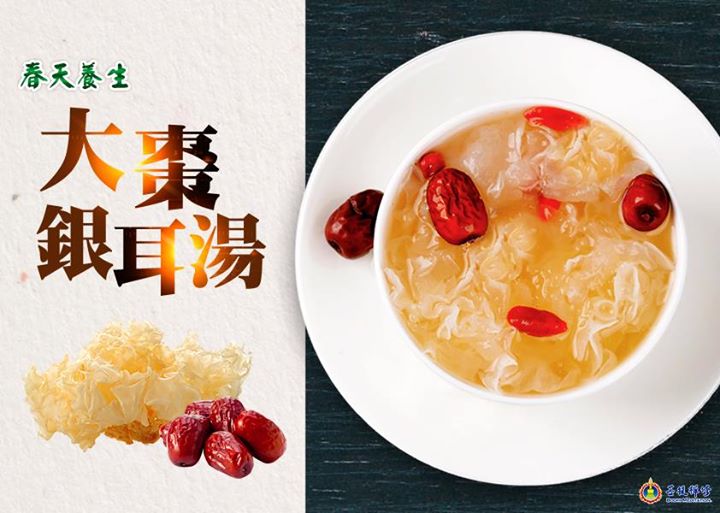
「大棗」具有保護肝臟、潤肺止咳、養血安神等作用。對於病後體弱、貧血及手腳冰涼的女性朋友們,都可以通過「大棗銀耳湯」來調理身體。
.
「銀耳」被稱為「菌中之冠」,是養生潤燥的不二選擇。另外,有平價燕窩之稱的銀耳,擁有高營養含量、可以補脾開胃,幫助消化解便祕,最重要的,還能夠「養顏美容」,讓女孩兒的皮膚粉嫩光滑的。???
.
動起來,一起親手來熬煮這美味、養生又養顏的「大棗銀耳湯」給最愛的家人補補身子吧!
.
《準備材料》:
1. 白木耳 3朵
2. 蘋果 1顆
3. 冰糖 300g (或依各人喜好)
4. 紅棗 10顆
.
《製作方法》:
a、 將乾燥的白木耳浸泡溫水30分鐘,之後清洗乾淨備用。
b、 大棗洗淨瀝乾後,切開泡水備用。
c、 將白木耳與1000cc的水一起放入鍋中,大火煮至滾沸後關小火熬煮。
d、 30分鐘後,加入大棗(連同浸泡的水) 再煮20分鐘。
e、 加入冰糖或蜂蜜,就完成一道美味又養生的大棗銀耳湯啦!(可依個人口味調整甜度。)
.
《健康小貼士》:
★女性月經期間出現眼腫或腳腫、腹脹現象時,不適合吃紅棗。
★體質燥熱的婦女不適合在月經期吃紅棗,否則會造成月經量過多。
★另外,大棗有益健康,但並非多多益善。中等大小的大棗,一次食用最好別超過15個,過量食用容易引起胃酸過多和腹脹。
★喜歡軟綿滑口的人,白木耳要選擇鬆散像雲朵的那種,不要使用組織結構密實的白木耳。
.
#春季養生好元氣
#大棗銀耳湯
#清潤甜湯
【Wellness in the Spring】 Jujube and snow fungus soup.
- Full of collagen for beautiful complexion!
The warmest dessert in her memory…..
One practitioner shared with me happily: “When I fell sick as a child, my mother would bring me a bowl of hot and fragrant dessert. She would tell me I would recover from my illness after drinking it!” I have tried cooking it myself and felt warm after drinking it. It is a wonderful feeling. Hence, I would like to share with all.
Jujube (also known as red dates) protects our livers, nourishes our lungs, stops coughs and have a calming effect. People whose body constitution weaken after an illness, suffer from anemia or females with cold hands and feet can invigorate their body by drinking Jujube and snow fungus soup.
Snow fungus is also known as the king of fungus and is an ideal choice for nourishing our body for health maintenance. Besides, it is a cheaper version of bird’s nest with high nutritional value. Jujube snow fungus soup invigorates our spleen, stimulates our appetite, aids digestion and alleviates constipation. More importantly, it keeps us young and beautiful and ladies will have a smooth and radiant complexion.
Let’s cook this delicious, healthy and nourishing 「Jujube and snow fungus soup」 for your loved ones.
Ingredients:
1. 3 Snow fungus
2. 1 apple
3. 300g of rock sugar (or according to individual taste)
4. 10 dried jujubes (red dates)
Method of preparation:
a) Soak dried snow fungus in warm water for 30 minutes before washing them for later use.
b) After washing the dried jujubes, dry them. Cut them open and soak in water.
c) Add snow fungus and 1000 cc of water into a pot. Cook them using a large fire and turn to a small fire once the water starts to boil.
d) After 30 minutes, add jujubes together with the water it is soaked in and cook for 20 minutes.
e) Add rock sugar or honey and the delicious Jujube and snow fungus soup is ready for consumption! (level of sweetness can be adjusted according to individual taste.)
[Health tips]:
★Jujubes are not recommended for menstruating females who have puffy eyes, swollen feet and bloated stomach.
★Females with internal heat body constitution are not recommended to consume jujubes during menstruation since it may cause heavy menstruation.
★Though jujubes are beneficial for our health, it does not mean the more the merrier. For middle sized jujubes, do not consume more than 15. Excessive consumption may cause an acidic and bloated stomach.
★People who prefer soft food can choose cloud-like snow fungus which are looser in structure. Refrain from using snow fungus which is of denser structure.
#WellnessInTheSpring, #JujubeAndSnowFungusSoup, #ClearNourishingSweetSouprnrn【春季養生好元氣】大棗銀耳湯
───膠質滿滿,喝完皮膚水嫩光滑!
.
她記憶中最溫暖的一道甜湯....
有個同修用一臉幸福的表情,和我分享:「小時候每當生病的時候,母親就會用她最溫暖的一雙手,遞來一碗熱騰騰、香噴噴的甜湯讓我快快喝下,說喝完湯病就會飛走啦!」
.
我自己也曾親手熬煮,喝起來渾身暖呼呼的,感覺真的很不錯。 也分享這份幸福給大家。
.
「大棗」具有保護肝臟、潤肺止咳、養血安神等作用。對於病後體弱、貧血及手腳冰涼的女性朋友們,都可以通過「大棗銀耳湯」來調理身體。
.
「銀耳」被稱為「菌中之冠」,是養生潤燥的不二選擇。另外,有平價燕窩之稱的銀耳,擁有高營養含量、可以補脾開胃,幫助消化解便祕,最重要的,還能夠「養顏美容」,讓女孩兒的皮膚粉嫩光滑的。???
.
動起來,一起親手來熬煮這美味、養生又養顏的「大棗銀耳湯」給最愛的家人補補身子吧!
.
《準備材料》:
1. 白木耳 3朵
2. 蘋果 1顆
3. 冰糖 300g (或依各人喜好)
4. 紅棗 10顆
.
《製作方法》:
a、 將乾燥的白木耳浸泡溫水30分鐘,之後清洗乾淨備用。
b、 大棗洗淨瀝乾後,切開泡水備用。
c、 將白木耳與1000cc的水一起放入鍋中,大火煮至滾沸後關小火熬煮。
d、 30分鐘後,加入大棗(連同浸泡的水) 再煮20分鐘。
e、 加入冰糖或蜂蜜,就完成一道美味又養生的大棗銀耳湯啦!(可依個人口味調整甜度。)
.
《健康小貼士》:
★女性月經期間出現眼腫或腳腫、腹脹現象時,不適合吃紅棗。
★體質燥熱的婦女不適合在月經期吃紅棗,否則會造成月經量過多。
★另外,大棗有益健康,但並非多多益善。中等大小的大棗,一次食用最好別超過15個,過量食用容易引起胃酸過多和腹脹。
★喜歡軟綿滑口的人,白木耳要選擇鬆散像雲朵的那種,不要使用組織結構密實的白木耳。
.
#春季養生好元氣
#大棗銀耳湯
#清潤甜湯
【Wellness in the Spring】 Jujube and snow fungus soup.
- Full of collagen for beautiful complexion!
The warmest dessert in her memory…..
One practitioner shared with me happily: “When I fell sick as a child, my mother would bring me a bowl of hot and fragrant dessert. She would tell me I would recover from my illness after drinking it!” I have tried cooking it myself and felt warm after drinking it. It is a wonderful feeling. Hence, I would like to share with all.
Jujube (also known as red dates) protects our livers, nourishes our lungs, stops coughs and have a calming effect. People whose body constitution weaken after an illness, suffer from anemia or females with cold hands and feet can invigorate their body by drinking Jujube and snow fungus soup.
Snow fungus is also known as the king of fungus and is an ideal choice for nourishing our body for health maintenance. Besides, it is a cheaper version of bird’s nest with high nutritional value. Jujube snow fungus soup invigorates our spleen, stimulates our appetite, aids digestion and alleviates constipation. More importantly, it keeps us young and beautiful and ladies will have a smooth and radiant complexion.
Let’s cook this delicious, healthy and nourishing 「Jujube and snow fungus soup」 for your loved ones.
Ingredients:
1. 3 Snow fungus
2. 1 apple
3. 300g of rock sugar (or according to individual taste)
4. 10 dried jujubes (red dates)
Method of preparation:
a) Soak dried snow fungus in warm water for 30 minutes before washing them for later use.
b) After washing the dried jujubes, dry them. Cut them open and soak in water.
c) Add snow fungus and 1000 cc of water into a pot. Cook them using a large fire and turn to a small fire once the water starts to boil.
d) After 30 minutes, add jujubes together with the water it is soaked in and cook for 20 minutes.
e) Add rock sugar or honey and the delicious Jujube and snow fungus soup is ready for consumption! (level of sweetness can be adjusted according to individual taste.)
[Health tips]:
★Jujubes are not recommended for menstruating females who have puffy eyes, swollen feet and bloated stomach.
★Females with internal heat body constitution are not recommended to consume jujubes during menstruation since it may cause heavy menstruation.
★Though jujubes are beneficial for our health, it does not mean the more the merrier. For middle sized jujubes, do not consume more than 15. Excessive consumption may cause an acidic and bloated stomach.
★People who prefer soft food can choose cloud-like snow fungus which are looser in structure. Refrain from using snow fungus which is of denser structure.
#WellnessInTheSpring, #JujubeAndSnowFungusSoup, #ClearNourishingSweetSoup](https://scontent.xx.fbcdn.net/v/t1.0-0/q84/s130x130/54798829_2365300077090471_2836333322093723648_n.jpg?_nc_cat=104&_nc_ht=scontent.xx&oh=86e20950d0565c51b615073372d5fadb&oe=5D4E813F)