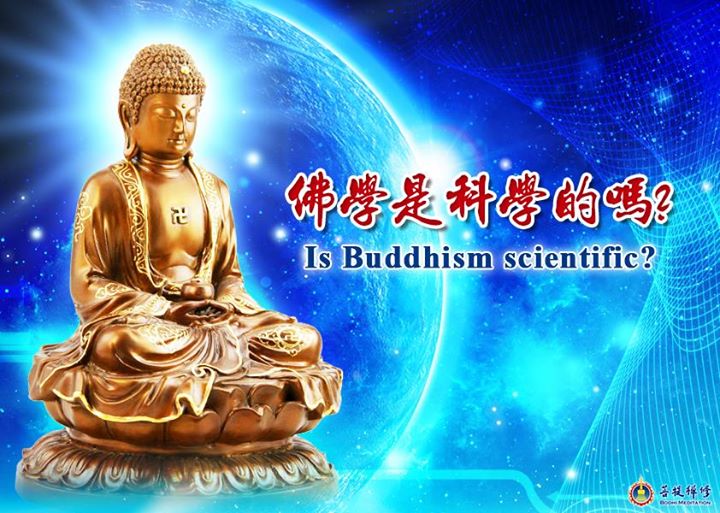
佛學是科學的嗎?
.
2013年以來,心理學界的一個思想逐漸成為主流,是說人在進化中大腦產生了至少七種思想模組 ——
1 保護自我;
2 吸引配偶,以產生後代,延續基因;
3 保住配偶,不被他人搶走;
4 爭取群體認同感,希望加入組織,獲得社交和團隊合作;
5 關愛親屬,保護自己的家人;
6 獲得社會地位;
7 避免疾病,我們會遠離不乾淨的東西,喜歡舒適的環境。
.
這個理論認為,這些思想模組互相爭奪人的大腦控制,所以人們經常會有多種想法,而且會時不時冒出各種稀奇古怪的主意。
.
這個理論認為,思想模組佔據大腦的方法是感情,感情最強烈的模組就會主導人的決定。所謂的理性只是給感情提供了信息和輔助,最終的決定仍然是某個思想模組輸出的感情。
.
這個理論認為,所以從這個角度理解,人的決定只是被這些思想模組推動的,人的意志只是後來給這個決定找的藉口而已。甚至有學者悲觀的認為,人是沒有自由意志的。
.
但是,一個重要的發現改變了這個悲觀的想法。
.
一個同時禪修和研究心理學的學者在2017年著書說,他發現可以通過禪修,觀察,接受和分析這些感情,不受各種思想模組的困擾,乃至專注於這件事,取得對事情的洞見,做出自由的決定,來掌握自己的自由意志。
.
這個學者就是普林斯頓大學的進化心理學教授羅伯特·賴特 (Robert Wright),這本書是紐約時報暢銷書《佛學是真的》(Why Buddhism is True)。
.
這本書中,作者通過最新的神經科學,心理學等研究成果,結合自己禪修的經驗,以及其他修行人的體悟,和對西方佛學的理解,試圖解讀佛學的一些基本理念,包括苦,無我,五蘊皆空,正念,因緣,涅槃等。
.
不論作者對佛學的解讀是否正確,有越來越多的科學家來認識和研究佛學,我覺得是很好的事情。
.
佛學本身是博大精深的,是對外了解自然規律和對內認識自我的大學問,所以相信會有更多的科學家認識和發現其中的奧妙。
.
所以,你說佛學是不是很科學呢?
.
#佛學是真的, #佛學是科學的, #自由意志, #思想模組, #心理學,#佛學
Is Buddhism scientific?
Since 2013, a thesis gradually became mainstream in the psychology world : that the brains of humans subconsciously have been known to produce at least seven ‘thought’ modules/ functions:
1. trigger self-protection mechanism;
2. attract spouses so as to produce offsprings and sustain the genes;
3. retain the spouse so that he/ she would not be taken by others;
4. strive to achieve team acceptance, with the aim to join the team to access the society and take part in team collaboration;
5. care for relatives and protect their families;
6. attain social status;
7. avoid diseases, stay away from unclean factors, in favor of a comfortable environment.
The theory is that these thought modules compete with one another to assert control over the human brain. Thus, humans often derive a variety of ideas, and from time to time come up with all kinds of bizarre ideas.
The theory proposes that the way the thought module ‘manipulates’ the brain is through emotion, and the module with the strongest feelings will dominate the person’s decision.
The so-called ‘logical reason’ only serves to provide information to substantiate the feelings that form the crux of the final decision in the thought module.
This theory thus concludes from this perspective that peoples’ decisions are only driven by these thought modules. Human will only enters subsequent to the decision so as to find an excuse. There are even pessimistic academics that propose that people do not have free will (in their decisions).
However, an important discovery has changed this pessimistic thought.
A scholar of both meditation and psychology wrote in 2017 that he found that he could regain control of his free will by meditating, observing, accepting and analyzing these feelings, and not be perturbed by these varying thought modules. He could even focus on the issue at hand, gain fundamental insights and make independent decisions based on his free will.
This scholar is Robert Wright, a professor of Evolutionary Psychology at the Princeton University, who authored the New York Times bestseller, ‘Why Buddhism is True’.
In this book, the author consolidated the latest research findings in neuroscience, psychology and other fields with his and other practitioners’ meditative practices, the understanding of Western Buddhism, and tried to interpret some of the basic tenets of Buddhism, including suffering, non-self, emptiness of the Five Aggregates, right mindfulness, cause-and-effect, nirvana and so on.
Without regard to the author’s interpretation of Buddhism, more and more scientists are gaining awareness of and studying Buddhism, which I feel is a good thing.
Buddhist studies in itself is extensive and profound. It evaluates both the understanding of the external laws of nature as well as the understanding of oneself. Thus, I believe that more scientists will seek to explore and discover its splendor.
So, would you not agree that Buddhism is very scientific?
#BuddhismIsTrue, #BuddhismIsScience, #BuddhismIsScientific, #FreeWill, #ThoughtModule, #Psychology, #BuddhistStudiesrnrn佛學是科學的嗎?
.
2013年以來,心理學界的一個思想逐漸成為主流,是說人在進化中大腦產生了至少七種思想模組 ——
1 保護自我;
2 吸引配偶,以產生後代,延續基因;
3 保住配偶,不被他人搶走;
4 爭取群體認同感,希望加入組織,獲得社交和團隊合作;
5 關愛親屬,保護自己的家人;
6 獲得社會地位;
7 避免疾病,我們會遠離不乾淨的東西,喜歡舒適的環境。
.
這個理論認為,這些思想模組互相爭奪人的大腦控制,所以人們經常會有多種想法,而且會時不時冒出各種稀奇古怪的主意。
.
這個理論認為,思想模組佔據大腦的方法是感情,感情最強烈的模組就會主導人的決定。所謂的理性只是給感情提供了信息和輔助,最終的決定仍然是某個思想模組輸出的感情。
.
這個理論認為,所以從這個角度理解,人的決定只是被這些思想模組推動的,人的意志只是後來給這個決定找的藉口而已。甚至有學者悲觀的認為,人是沒有自由意志的。
.
但是,一個重要的發現改變了這個悲觀的想法。
.
一個同時禪修和研究心理學的學者在2017年著書說,他發現可以通過禪修,觀察,接受和分析這些感情,不受各種思想模組的困擾,乃至專注於這件事,取得對事情的洞見,做出自由的決定,來掌握自己的自由意志。
.
這個學者就是普林斯頓大學的進化心理學教授羅伯特·賴特 (Robert Wright),這本書是紐約時報暢銷書《佛學是真的》(Why Buddhism is True)。
.
這本書中,作者通過最新的神經科學,心理學等研究成果,結合自己禪修的經驗,以及其他修行人的體悟,和對西方佛學的理解,試圖解讀佛學的一些基本理念,包括苦,無我,五蘊皆空,正念,因緣,涅槃等。
.
不論作者對佛學的解讀是否正確,有越來越多的科學家來認識和研究佛學,我覺得是很好的事情。
.
佛學本身是博大精深的,是對外了解自然規律和對內認識自我的大學問,所以相信會有更多的科學家認識和發現其中的奧妙。
.
所以,你說佛學是不是很科學呢?
.
#佛學是真的, #佛學是科學的, #自由意志, #思想模組, #心理學,#佛學
Is Buddhism scientific?
Since 2013, a thesis gradually became mainstream in the psychology world : that the brains of humans subconsciously have been known to produce at least seven ‘thought’ modules/ functions:
1. trigger self-protection mechanism;
2. attract spouses so as to produce offsprings and sustain the genes;
3. retain the spouse so that he/ she would not be taken by others;
4. strive to achieve team acceptance, with the aim to join the team to access the society and take part in team collaboration;
5. care for relatives and protect their families;
6. attain social status;
7. avoid diseases, stay away from unclean factors, in favor of a comfortable environment.
The theory is that these thought modules compete with one another to assert control over the human brain. Thus, humans often derive a variety of ideas, and from time to time come up with all kinds of bizarre ideas.
The theory proposes that the way the thought module ‘manipulates’ the brain is through emotion, and the module with the strongest feelings will dominate the person’s decision.
The so-called ‘logical reason’ only serves to provide information to substantiate the feelings that form the crux of the final decision in the thought module.
This theory thus concludes from this perspective that peoples’ decisions are only driven by these thought modules. Human will only enters subsequent to the decision so as to find an excuse. There are even pessimistic academics that propose that people do not have free will (in their decisions).
However, an important discovery has changed this pessimistic thought.
A scholar of both meditation and psychology wrote in 2017 that he found that he could regain control of his free will by meditating, observing, accepting and analyzing these feelings, and not be perturbed by these varying thought modules. He could even focus on the issue at hand, gain fundamental insights and make independent decisions based on his free will.
This scholar is Robert Wright, a professor of Evolutionary Psychology at the Princeton University, who authored the New York Times bestseller, ‘Why Buddhism is True’.
In this book, the author consolidated the latest research findings in neuroscience, psychology and other fields with his and other practitioners’ meditative practices, the understanding of Western Buddhism, and tried to interpret some of the basic tenets of Buddhism, including suffering, non-self, emptiness of the Five Aggregates, right mindfulness, cause-and-effect, nirvana and so on.
Without regard to the author’s interpretation of Buddhism, more and more scientists are gaining awareness of and studying Buddhism, which I feel is a good thing.
Buddhist studies in itself is extensive and profound. It evaluates both the understanding of the external laws of nature as well as the understanding of oneself. Thus, I believe that more scientists will seek to explore and discover its splendor.
So, would you not agree that Buddhism is very scientific?
#BuddhismIsTrue, #BuddhismIsScience, #BuddhismIsScientific, #FreeWill, #ThoughtModule, #Psychology, #BuddhistStudies

「法無定法,應眾生所需而生妙法」;
在有緣師父的帶領下,尤其未來面對「AI」紀元,佛學更具科學的時代意義!
师父好,弟子相信佛学是科学的 而且是超科学的,科学的发展能证实佛学的真实不虚,而通过禅修,能让人的智慧大开,看透事物的真像!
师父您好!我是做医学科研的,我觉得佛学是集自然科学、心理学、哲学和医学为一体的最伟大的科学! 感恩师父和佛菩萨的教诲!
感恩佛菩薩和師父教誨。弟子认为佛法乃宇宙真理,让众生理解生命的价值和意义,是科学的和諧生存之道。
师父师母早安:佛学是科学又超越科学的真理!感恩师父佛菩萨的加持护佑!明心见性,究竟生命!懂得人生的真谛!????
個人認為“文化分东西方”
东方-向往精神,不能只规劃在定形。
西方-在意科学,分门别类各自為証。
人类的知识,不能只因为得不到证据,就分劃宗教的是否科学。
Nam mo a di da phat
Nam mô a Di Đà Phật
师父好!感恩师父慈悲开示!佛学是科学的,佛学和科学是息息相关的,佛学超越了科学,佛学是探索宇宙的真理,佛学是不可思议的。感恩师父!☕???????????
师父好!
佛學是對外了解自然規律和
對內認識自我的大學問!
佛学是超越科学的,科学只能说是佛学的一个小的领域而已
真理虽然是高超的科学,但並不能说是超越了所有的科学,畢尽,对心的真实性质领域並不是完整的。尤其是精神的心靈概况深受身体的须要影响是巨大的。在分析身心的真正真实世界,达到永恒寂静的涅槃之道,並不是说了解了所有片面的文字般若註解或论文,成为哲学家或科学学者就自然可以了达知道的。。
同样的道理,戒禅与文字佛理是用来引导行人,进入身心涅槃寂静的世界,转而了解心的轮转的真相与性质,导致行人的先证(证悟)后修的坚持摆脱朿缚的努力,而不是明白註解文字佛理,成为佛理专家丶哲理论文专家之后,就能达到烦恼的自动涅槃,或了达心的万法世界。。
畢尽『心』摆脱束缚与成为佛理专家的愿望是两回事。
Nam mô a di đà phật
师父好!感恩师父慈悲分享佛学是科学的!感恩师父慈悲教悔和关怀护佑我们健康成长!弟子感恩顶礼叩拜恩师!
Bharat .
Shanti hi sanjivani .
感恩师父慈悲开示与分享!哇?️科学研究佛学赞叹?!佛学本身是博大精深的!是对外了解自然规律和对内认识自我的大问题!更多的科学家认识和发现其中的奥妙!并科学家自身禅修!这将在现今大多人只信科学的人,带来福气!可以认知并信仰佛!祈愿佛光普照!更多的科学家信佛禅修并研究公布于世!?叩拜
感恩佛师,佛母,慈悲加持护佑,让千万受苦众生,在佛光沫浴下,获得生命重生,身心灵得到净化,感恩跪拜!
感恩师父慈悲的分享!佛教是科学!爱因斯坦说:没有佛教的因果律宇宙就会混乱。宇宙遵守的法则是因果律!爱因斯坦还说:佛教是科学的前卫,科学的每一次新发现都给佛教做了证明。
马克思说:辨证法在佛教中讲到了很精细的程度。恩格斯说:辨证法到释迦摩尼时代才成熟。因此,释迦牟尼佛是辨证法的创始人!所以,佛教是科学也是哲学!通过禅修让人智慧打开,看透宇宙人生的真相,认众生理解究竟生命的价值和意义!是科学和谐的生存之道。感恩师父!祝福师父!
感恩师父慈悲开示!师父最懂佛学的科学性,听懂师父讲课非常重要。顶礼感恩师父爱心教化!
Om mani pema hung
“佛學”本身是博大精深的,是對外了解自然規律和對內認識自我的大學問。如果只把“佛”当作”學問“来研读不一定正确。这是体,相,用的融合。这融于科学,融于万物。 是生命的本真和生活的态度,是同体流出。
慈悲的师父、师母晚安!吉祥如意!
感恩师父慈悲分享”佛学是科学吗?”我认为佛学不仅仅是科学而且是哲学。佛陀教诲我们对宇宙世界的万事万物不是看它的表面現象,而是要掌握事物的内在联系、规律,抓住事物本质、内外影响、相互作用等等多种作用关系。比如说”所有的万物万物都是发展的、变化的”这个规律是正确的。对事物的辩证统一的论述也很,不一一列举。过去我偏面认为”佛属于崇教是”封建迷信“错误”无知“认识。
我们走入”佛学世界“认真了解,就会洗净迷惑、无知而且有了全面正确的看法。
佛陀正悟以后在禅境中感物到事物的本质、规律,重要的是掌握了事物的真相,让我们少犯错误,有利于事物的发展。所以,佛法是科学的,真实的。
感恩慈悲的师父开示!
合十扣拜恩师!
佛学博大精深,佛陀慈悲无限,师父加持护佑,弟子顶礼恭敬。
感恩师父的分享。佛教是一切科学的源动力。佛教是可以和现代科学共依共存的,很多现象科学说得通的,佛法皆包括,科学见证不到的,佛法亦包括。佛教是科学的终极归宿。佛教涵盖了所有的科学,也是科学所不能比拟的,是超出现代科学理解能力的,也是科学所寻求的方向。佛法没有要求科学来解释,佛法要求修行佛法的人,用自己的修行来证悟,真正了悟看透宇宙自然的规律与真相。佛法抛开表象直抵本源,用大慈大悲无我分别,将“我执”的妄念彻底消除,这是任何一种局限于现象的科学所无法企及的,因此可以说,佛教是科学,佛教的智慧高于一切。
上師吉祥!感恩師父的慈悲分享。下面是弟子的一點點看法,請師父指正。
佛學不是科學。佛學所證的是絕對真理,而科學所證的是相對真理。佛學不能證偽,而科學需要用證偽來不斷發展進步。佛學講的是萬法唯心,而科學講的是客觀「實際」。
佛學範疇高於科學,屬於哲學範疇。佛學對科學有指導意義,但科學永遠不能達到佛學的高度。因為佛學是「終極」的形而上。
感恩师父慈悲,菩提法门就是科学!医院治不了的病,修练大光明修持法,就能强身健体,走八卦就补充元气,能量满满!这就是科学!弟子感恩师父让我健康快乐!弟子叩拜恩师!
感恩师父慈悲分享!佛教是宇宙自然规律,是超越科学的科学。是万物之根本!我们是多么的幸福能学到师父的妙法,一起畅游在佛学的海洋,得佛法的洗礼,明白万物同体的宇宙真理!顶礼师父!
If I wanted one of these are they very very expensive
感恩师父的分享!
弟子认为佛学是科学,佛学存在于宇宙自然法则,天理定律之因果报应,无论是过去或前世宿业债,牠是存在的。
感恩师父的慈悲大爱!
佛教2600年前就讲因果轮回,
科学家目前研究才说量子纠缠。
300百前科学家把佛学排除外在研究,但是好像越来越多的研究发现,当科学家正在努力攀登高峰时,发现佛菩萨正在山顶耐心地等候着。???